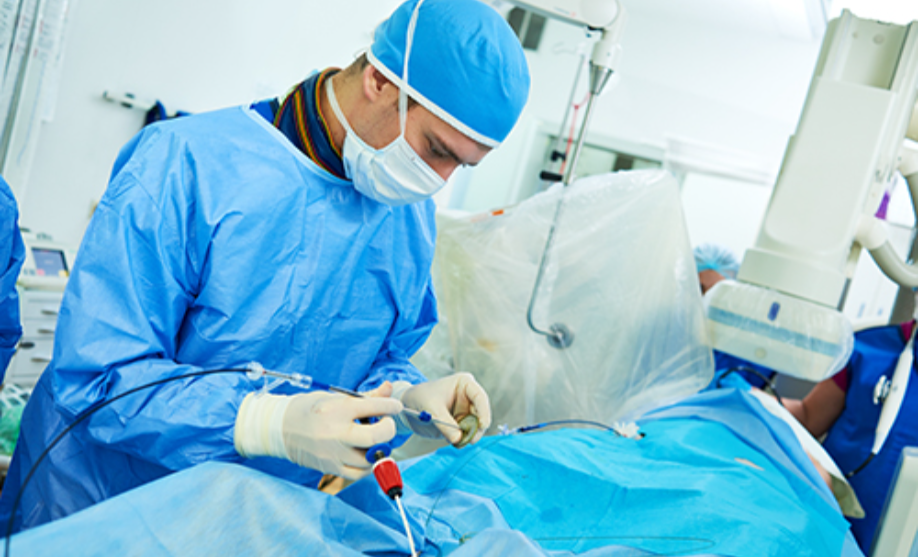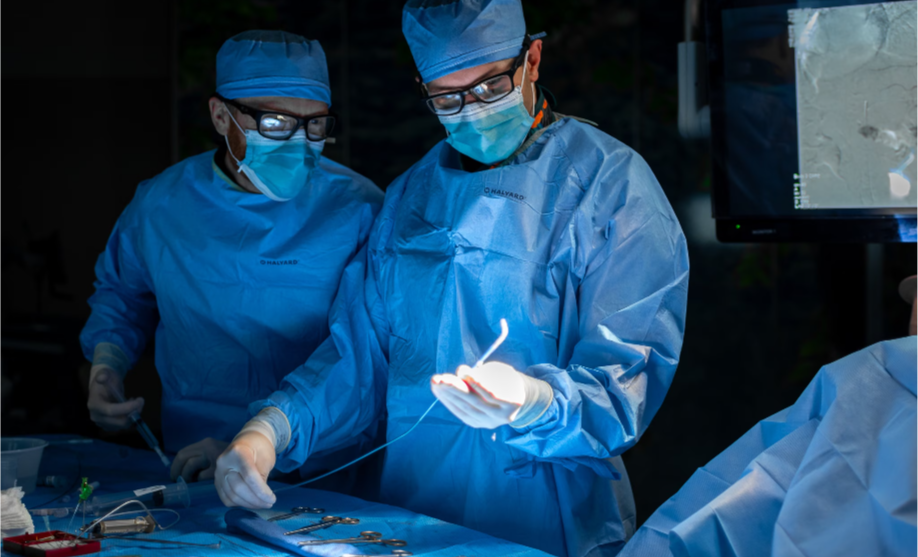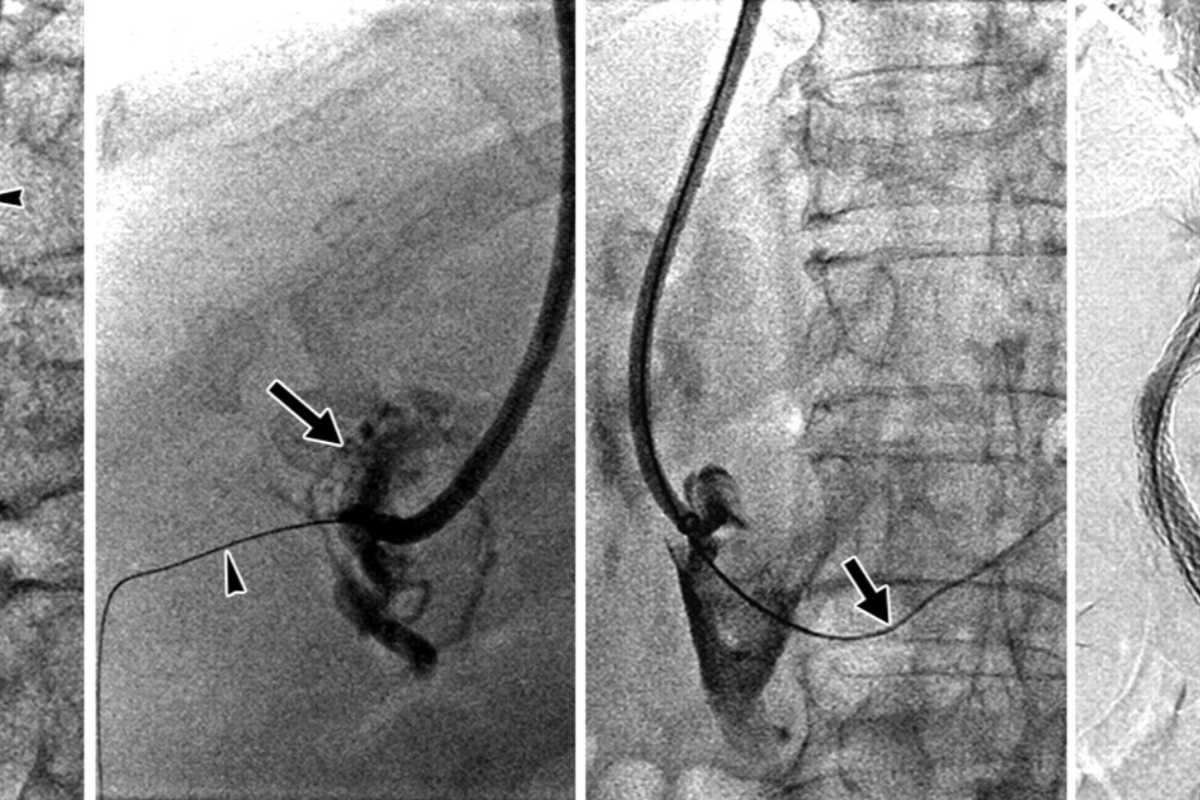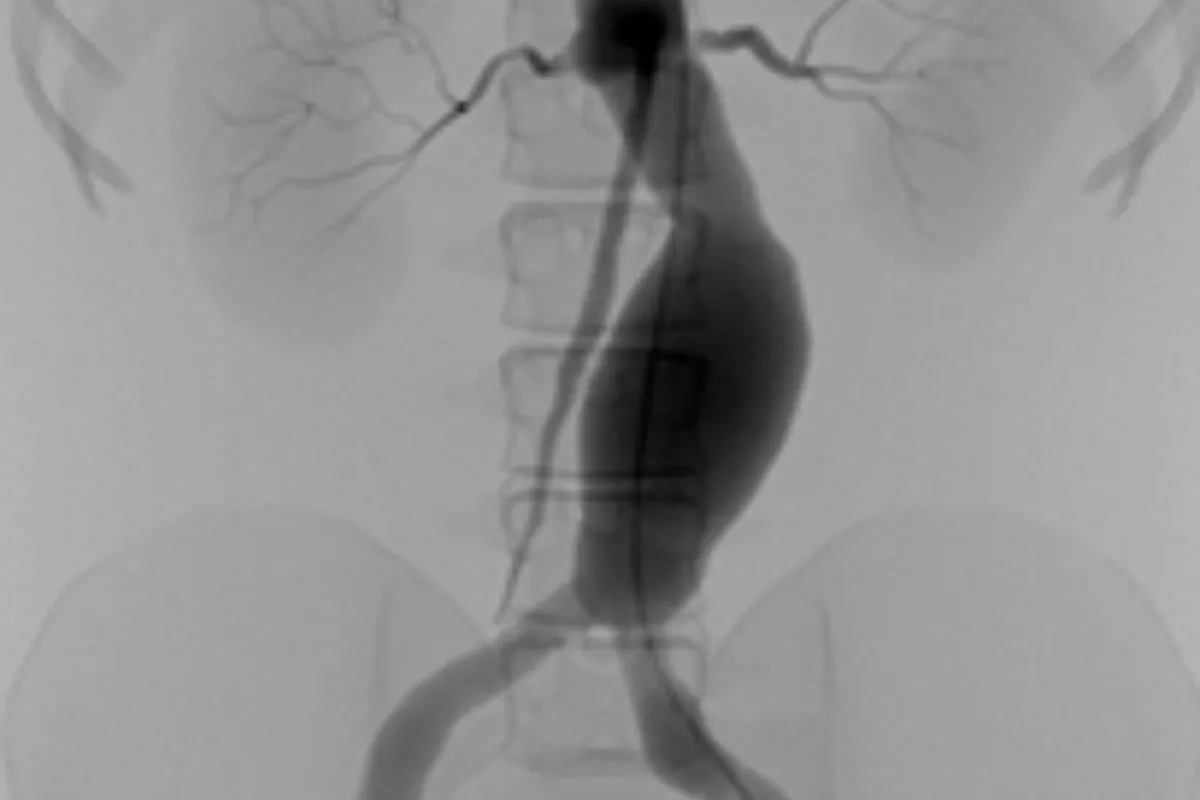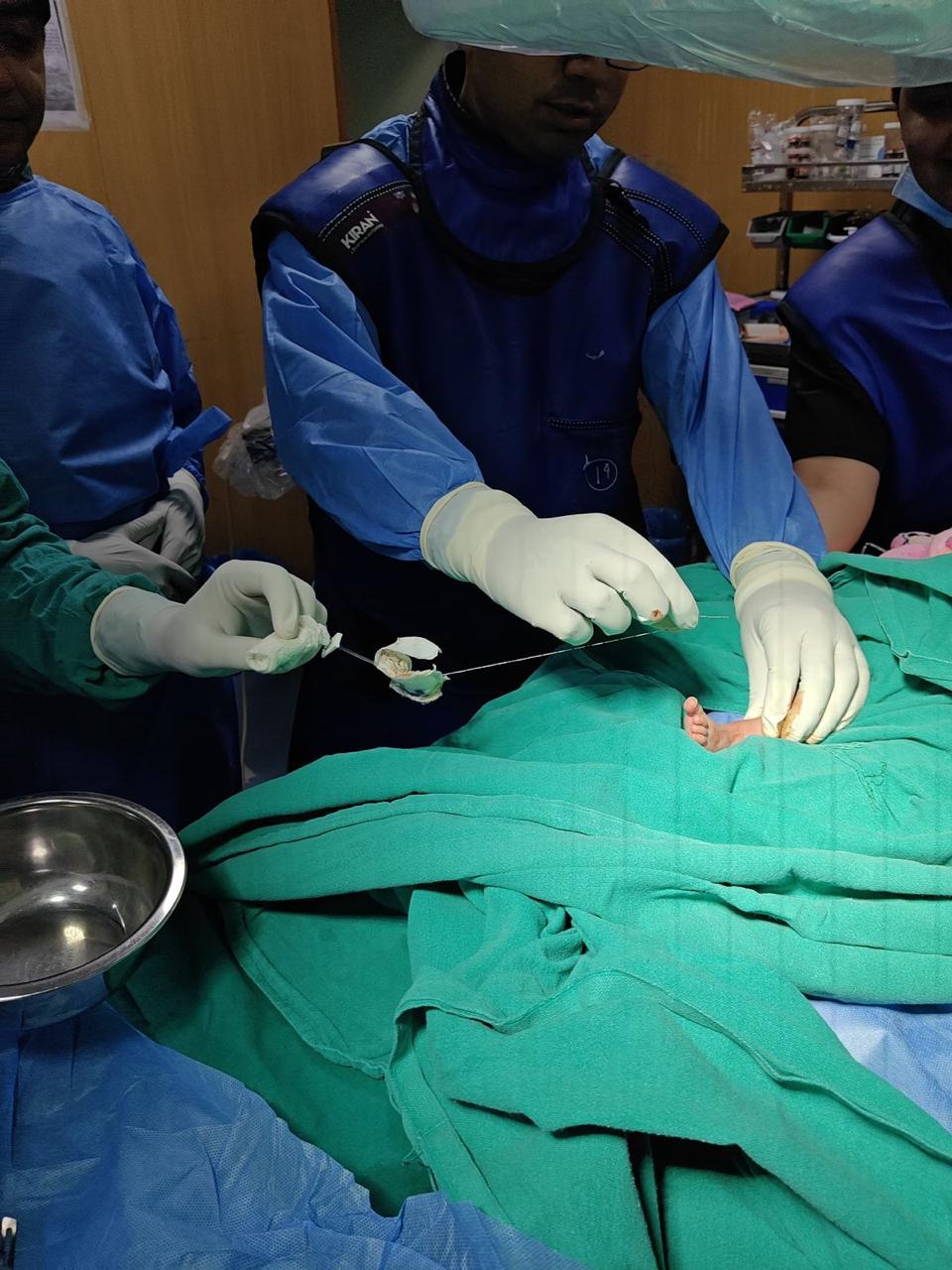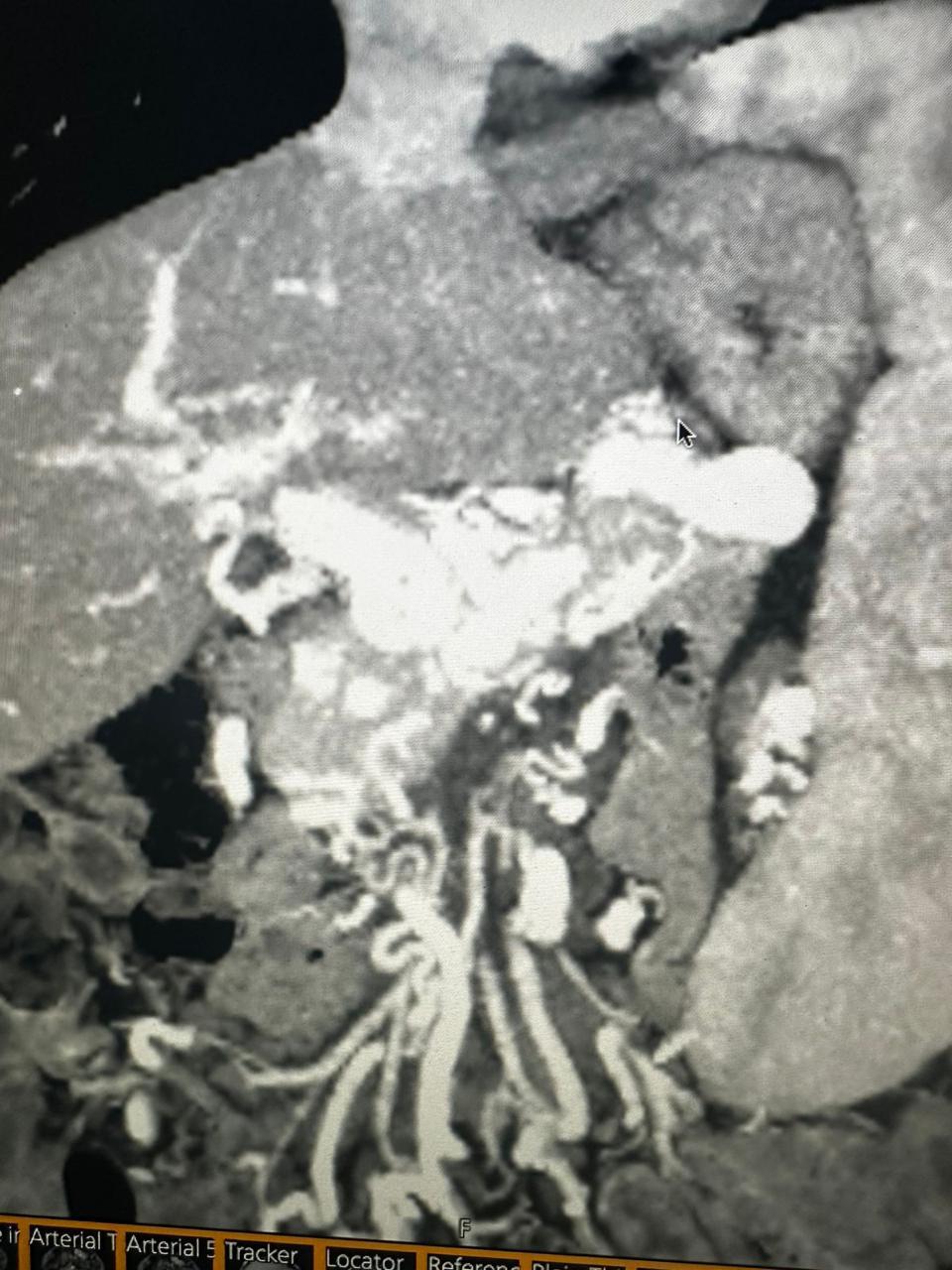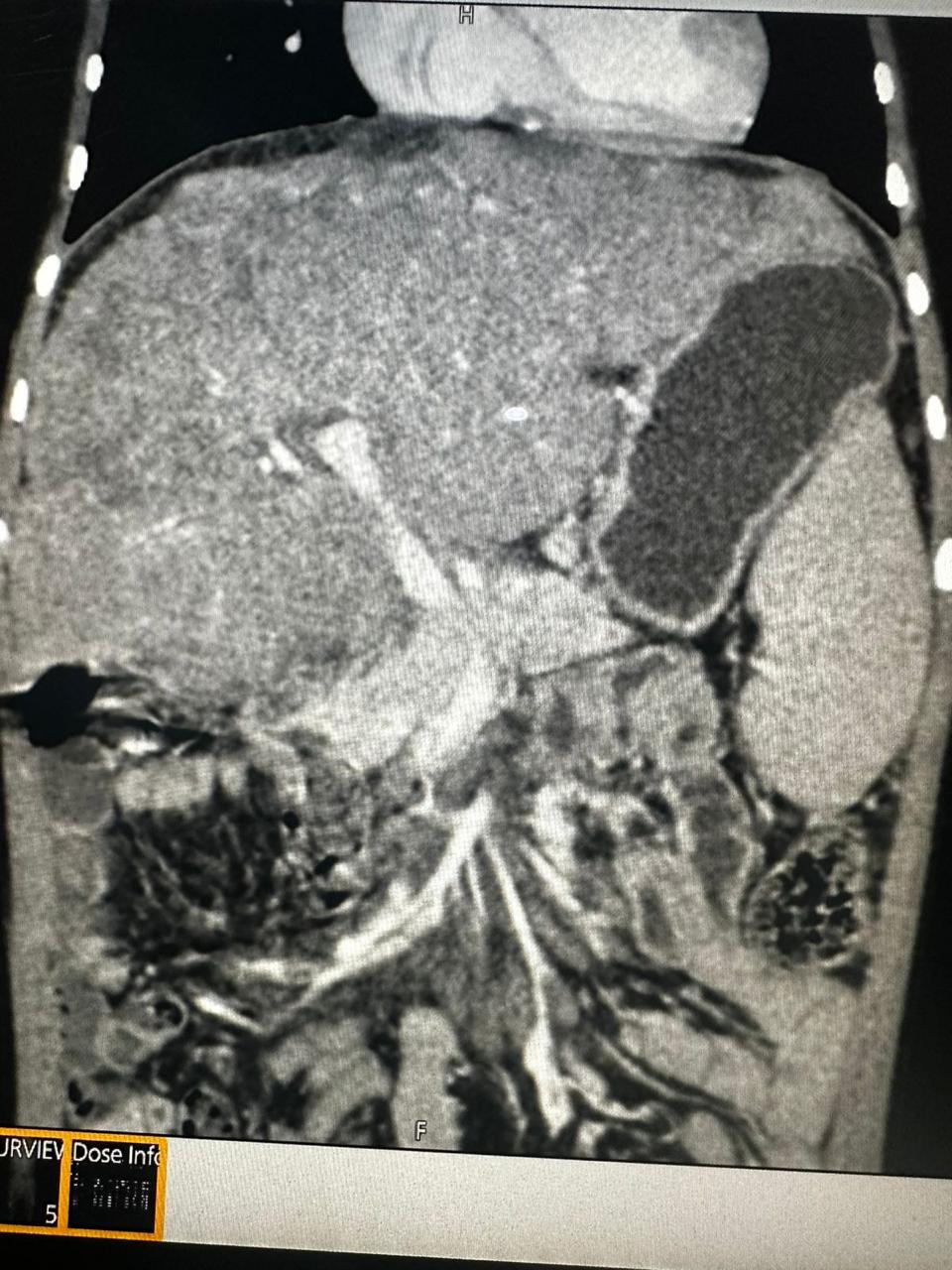
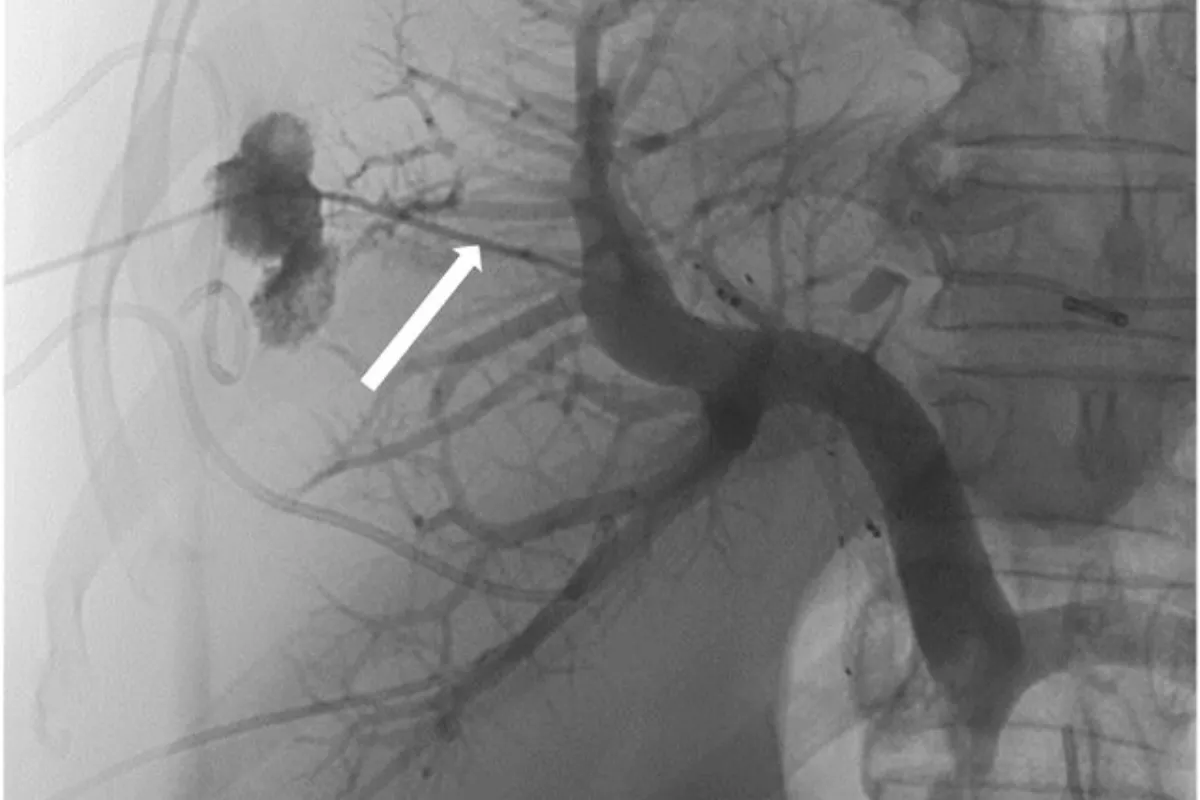
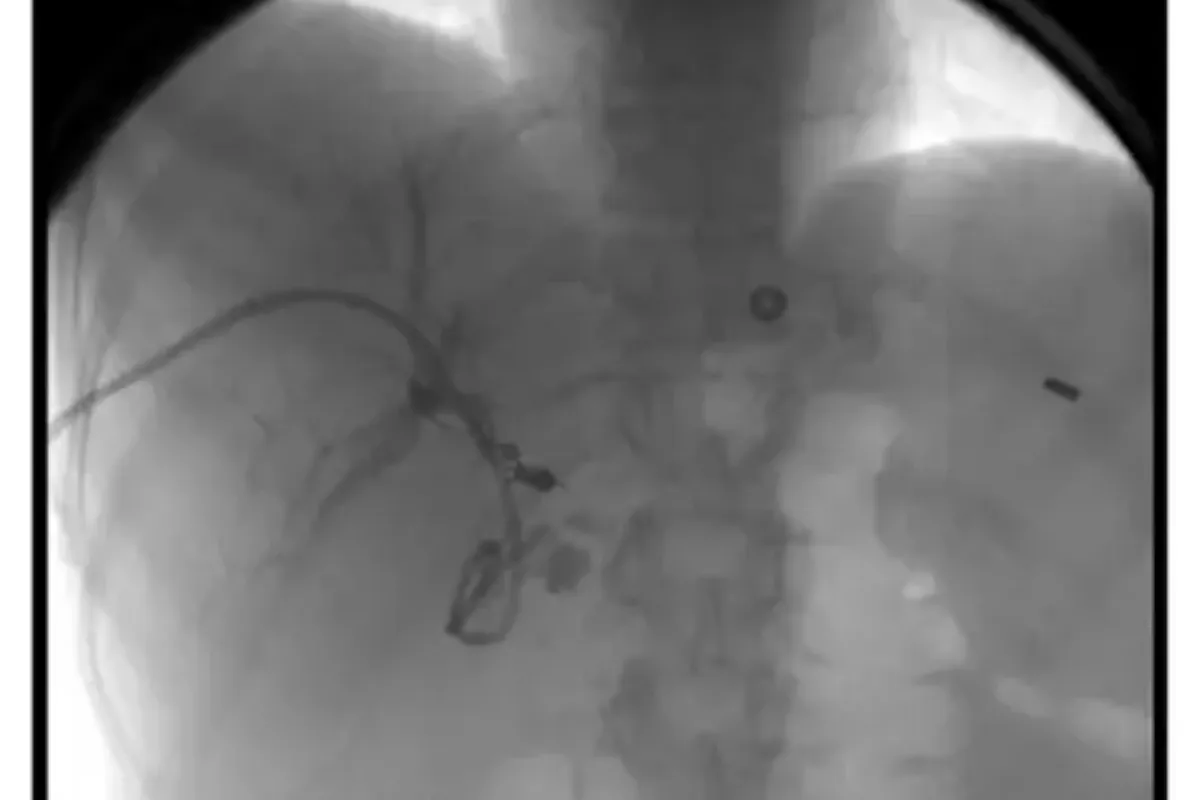
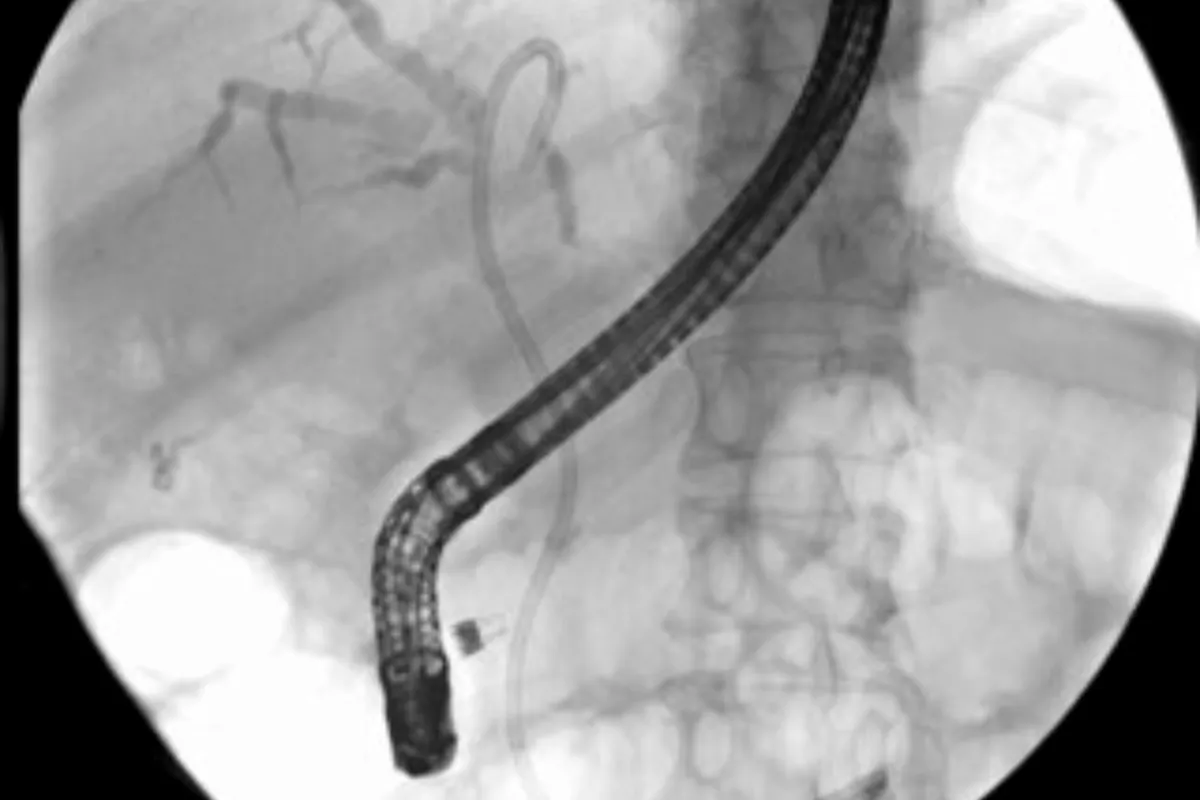
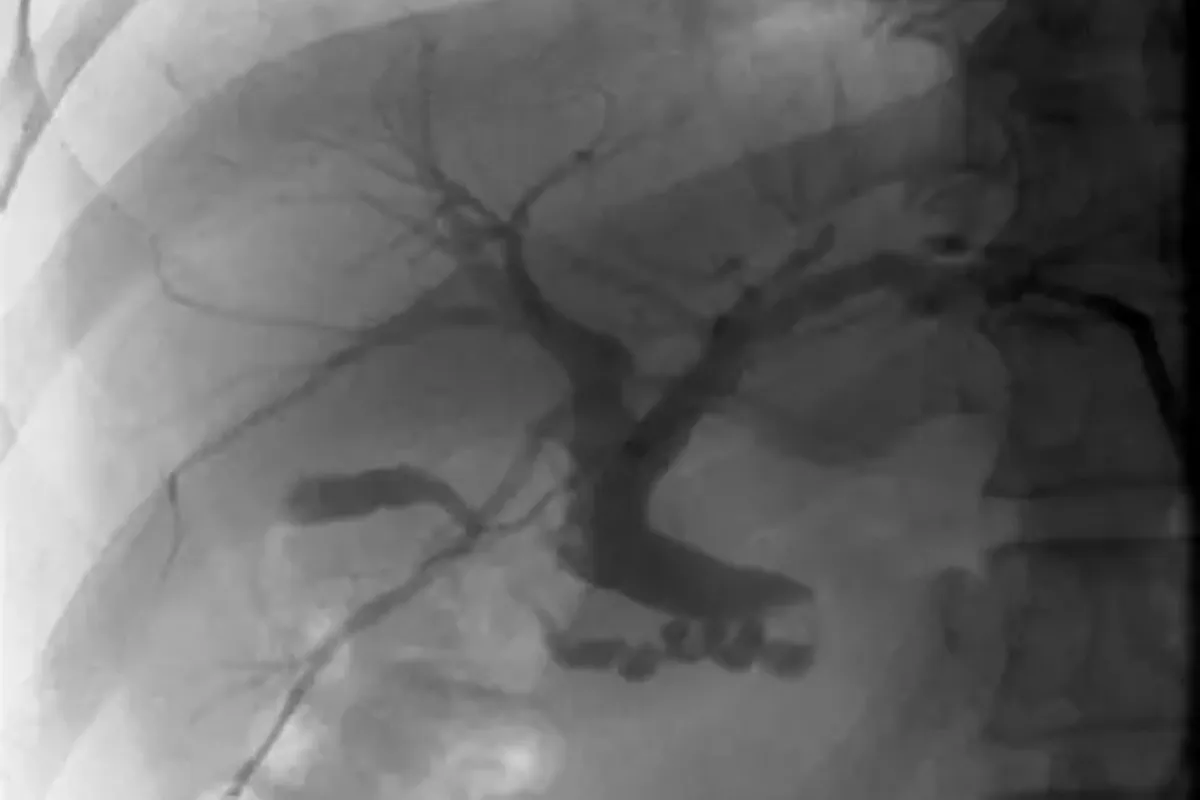
These are minimally invasive procedures used to treat gastric varices by blocking abnormal veins to prevent bleeding. They improve blood flow patterns, reduce the risk of rebleeding, and are effective alternatives when TIPS is not suitable.
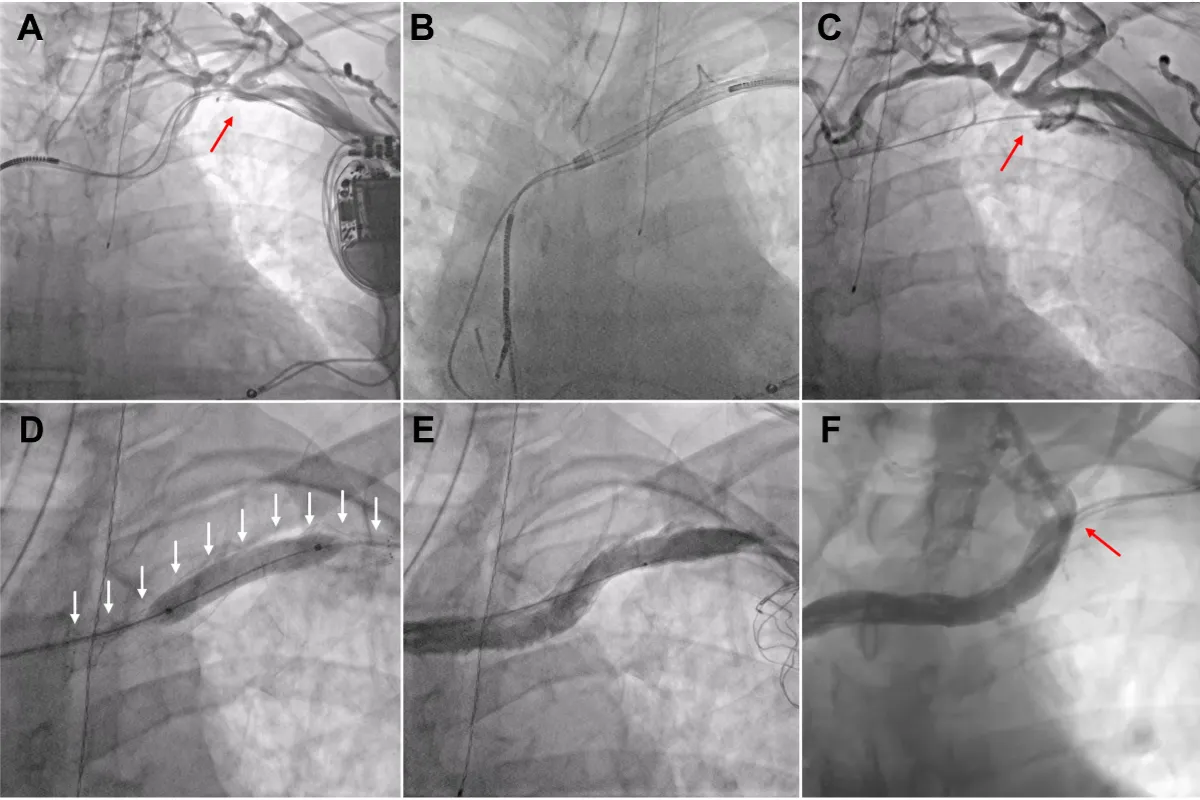
These are endovascular procedures done to open narrowed or blocked veins in the liver (hepatic veins), inferior vena cava (IVC), or superior vena cava (SVC). By restoring proper blood flow, they relieve symptoms like swelling, breathlessness, or liver congestion and prevent further complications.
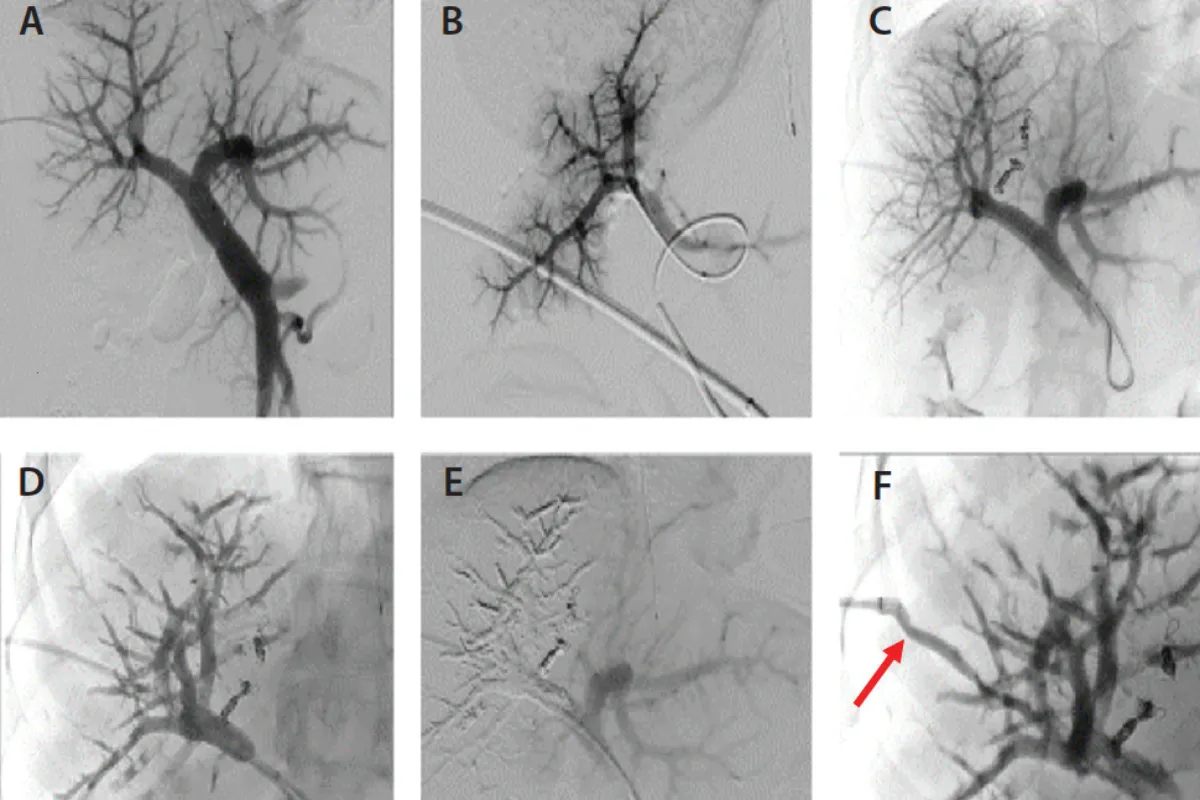
This procedure blocks a branch of the portal vein to redirect blood flow and stimulate growth of the future liver remnant. It helps prepare patients for safer liver surgery by increasing healthy liver volume.
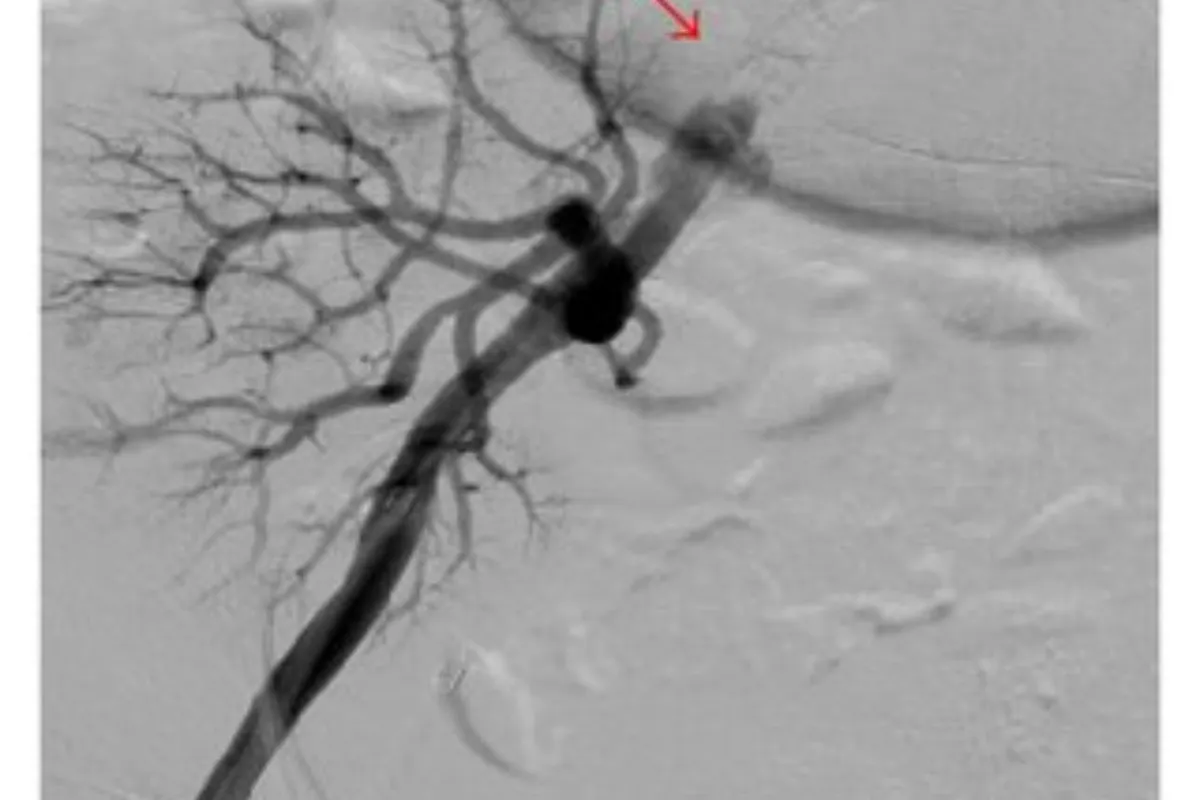
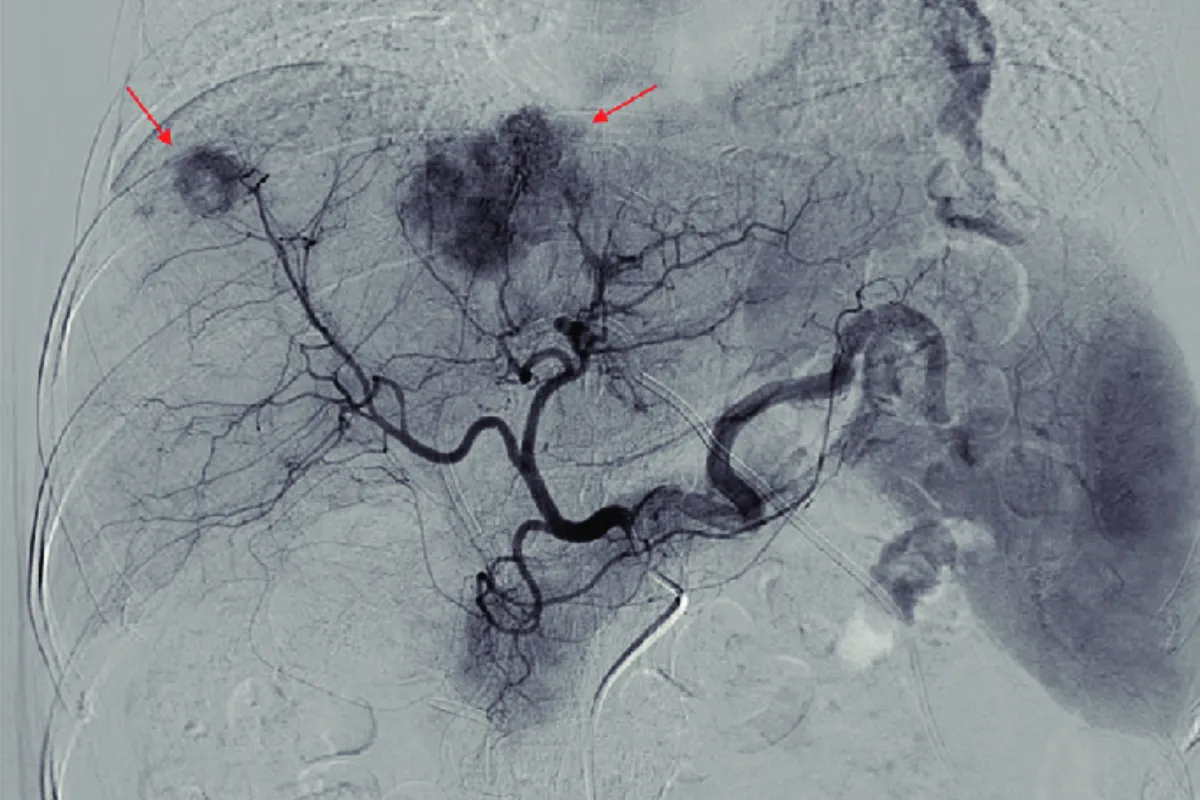
These targeted procedures block abnormal or bleeding vessels to control hemorrhage and shrink problematic tissues. They are minimally invasive, effective, and help avoid major surgery while restoring normal blood flow patterns.
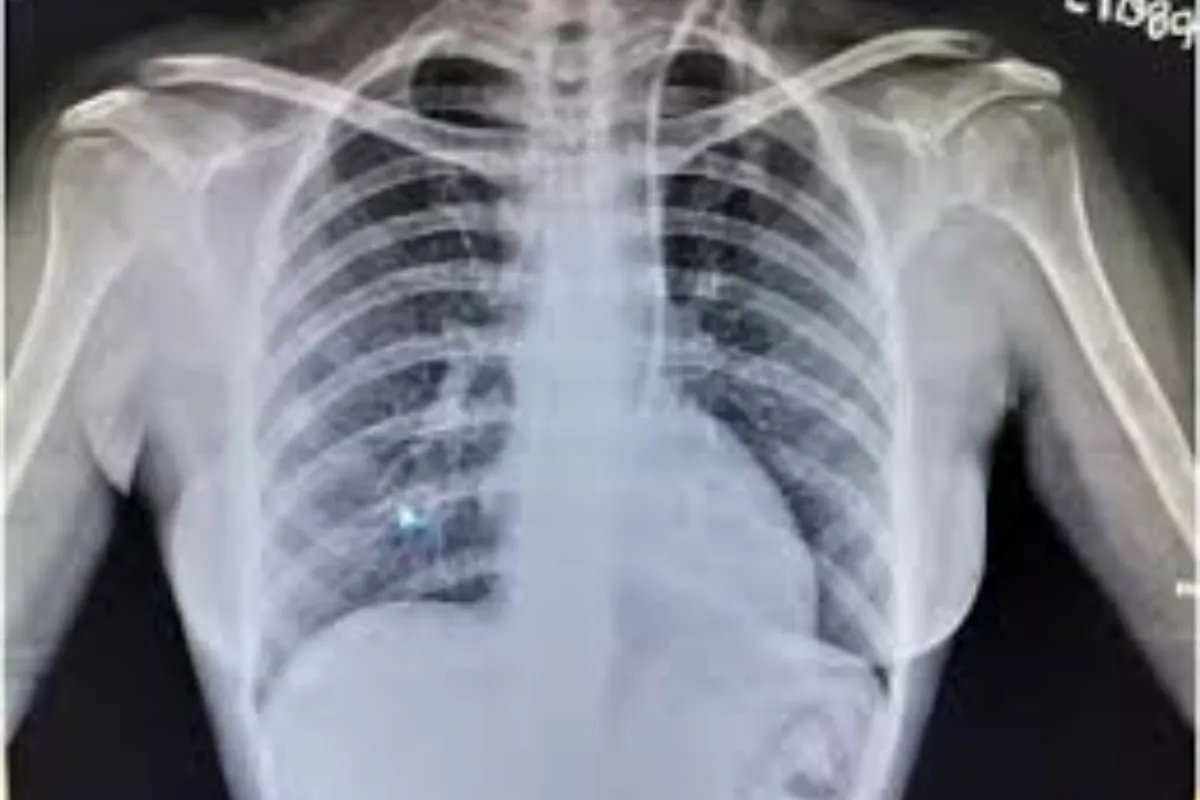
A dialysis catheter is placed into a large vein to provide reliable access for hemodialysis. It allows efficient blood filtration and is used when immediate or long-term dialysis support is needed.
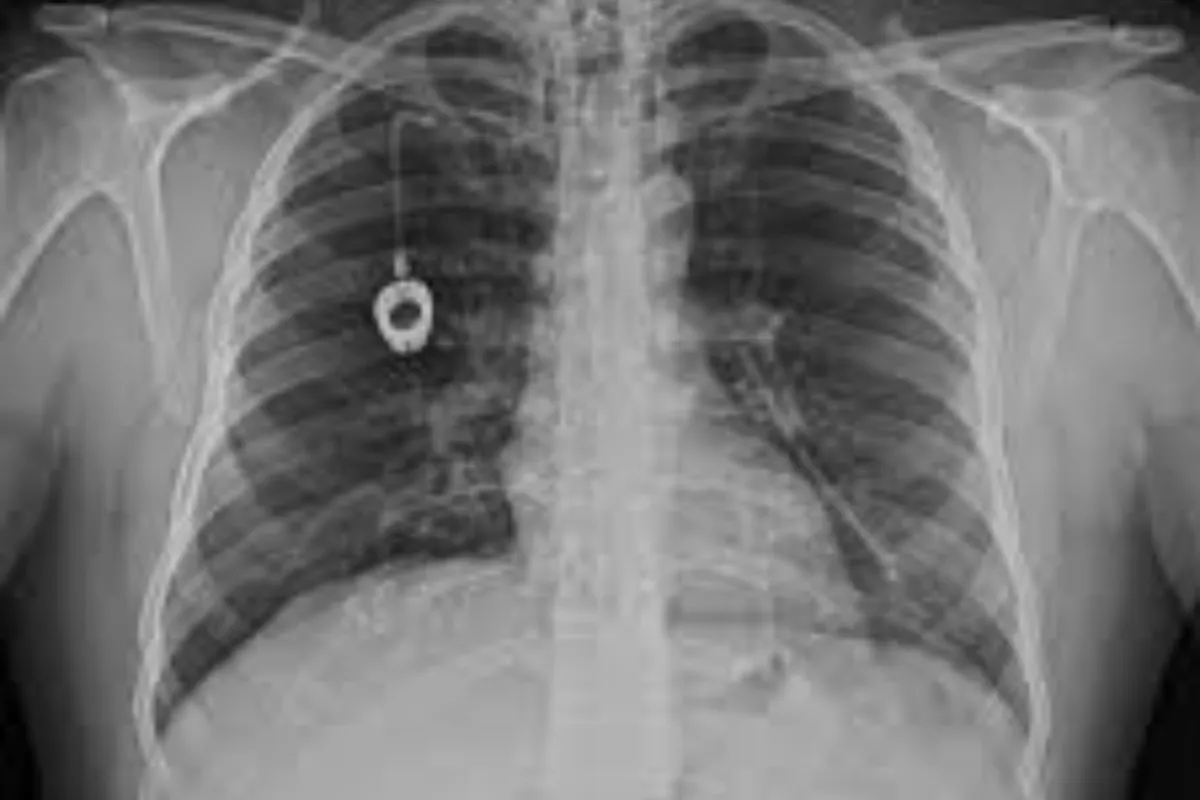
A chemoport is a small device placed under the skin to provide easy, long-term access for chemotherapy. It makes treatment safer, reduces repeated needle pricks, and improves patient comfort during therapy.
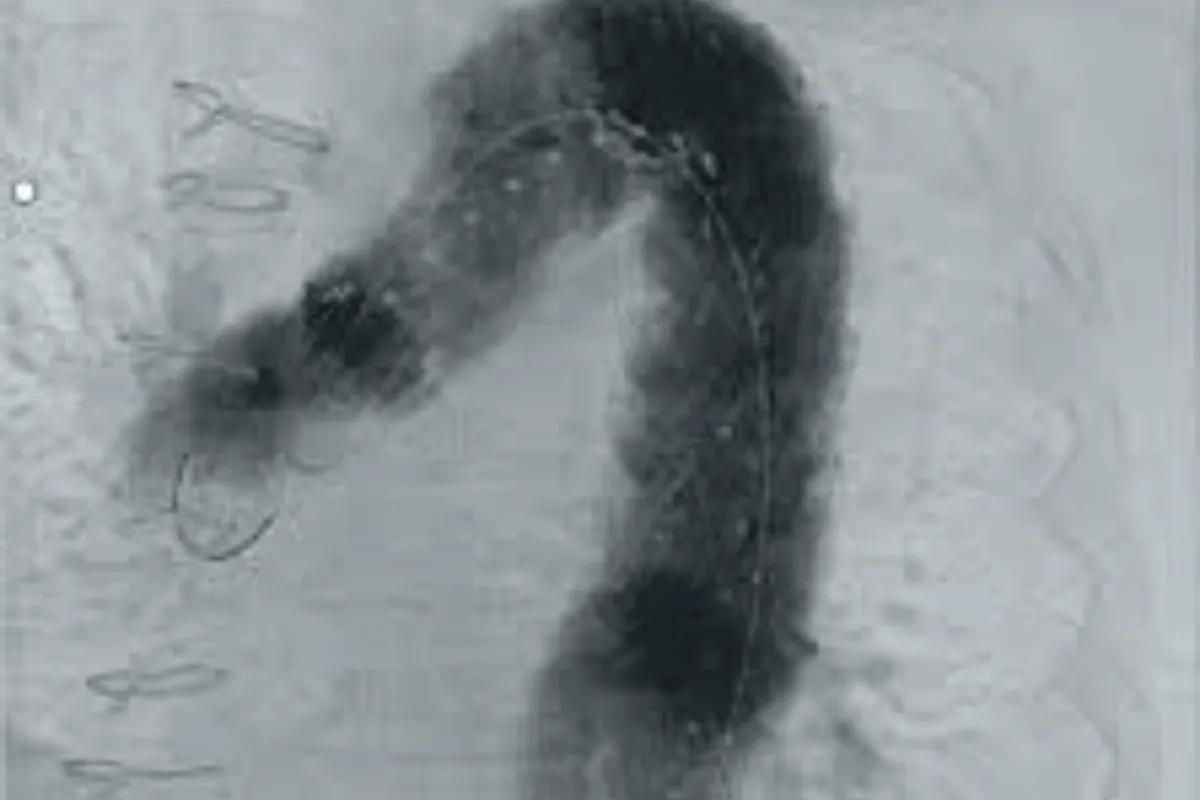
A minimally invasive procedure used to treat aneurysms or tears in the thoracic aorta by placing a stent-graft inside the vessel. It strengthens the weakened segment, prevents rupture, and allows faster recovery compared to open surgery.
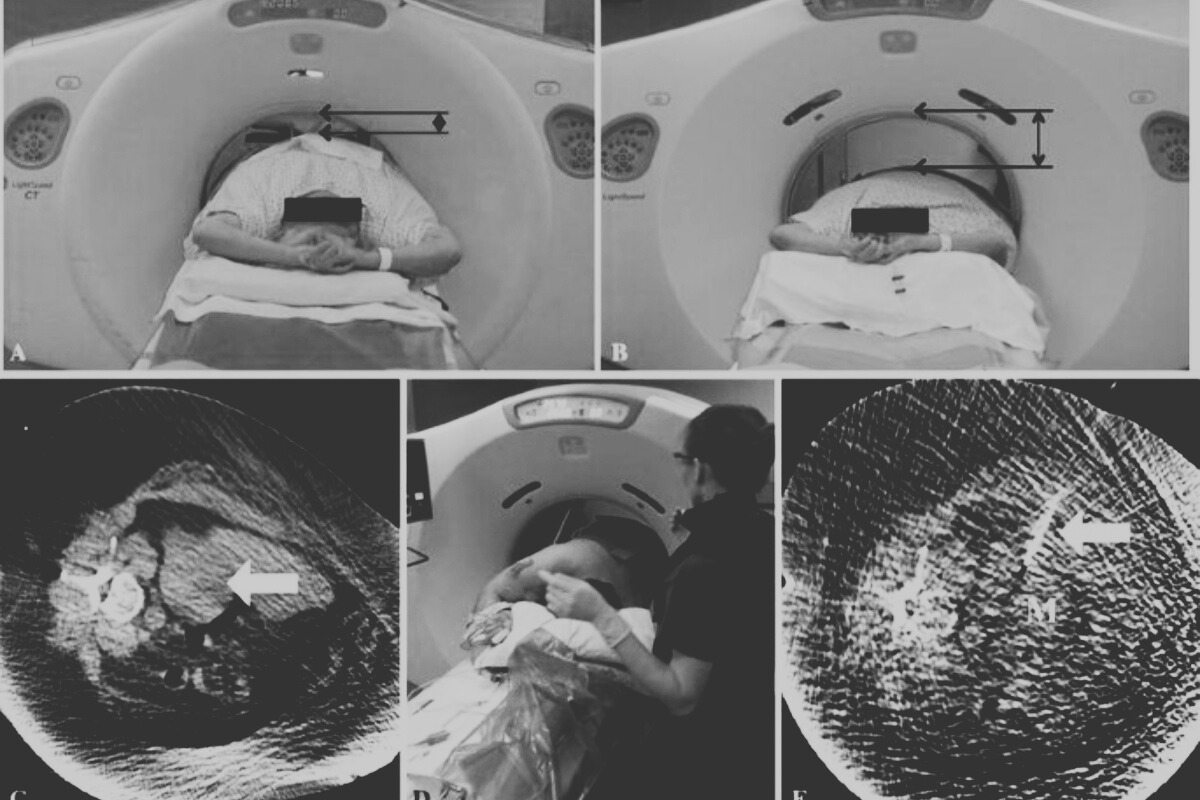
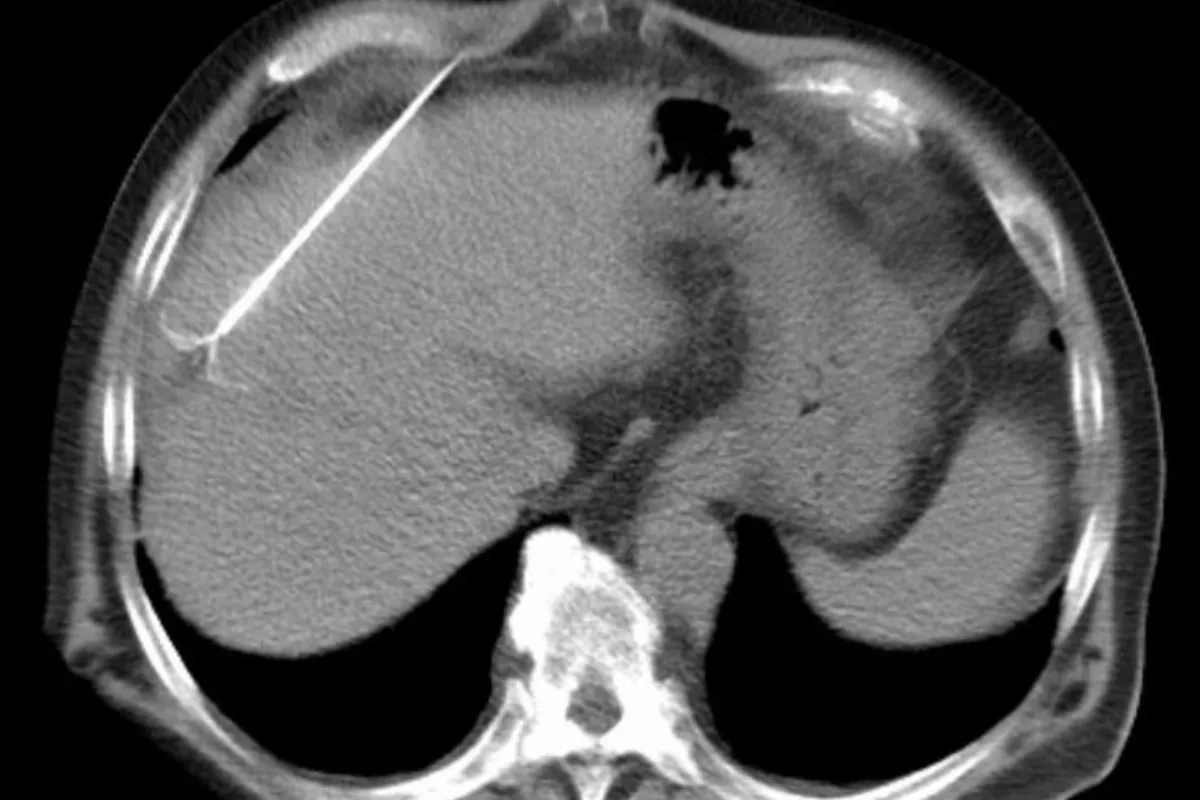
A per-abdominal biopsy is a procedure where a doctor uses a thin needle to take a small tissue sample through the abdomen, usually with ultrasound or CT guidance. It helps diagnose conditions like infections, tumors, or organ diseases in the liver, kidney, or other abdominal areas. The procedure is quick, done with local anesthesia, and generally safe with minimal discomfort.
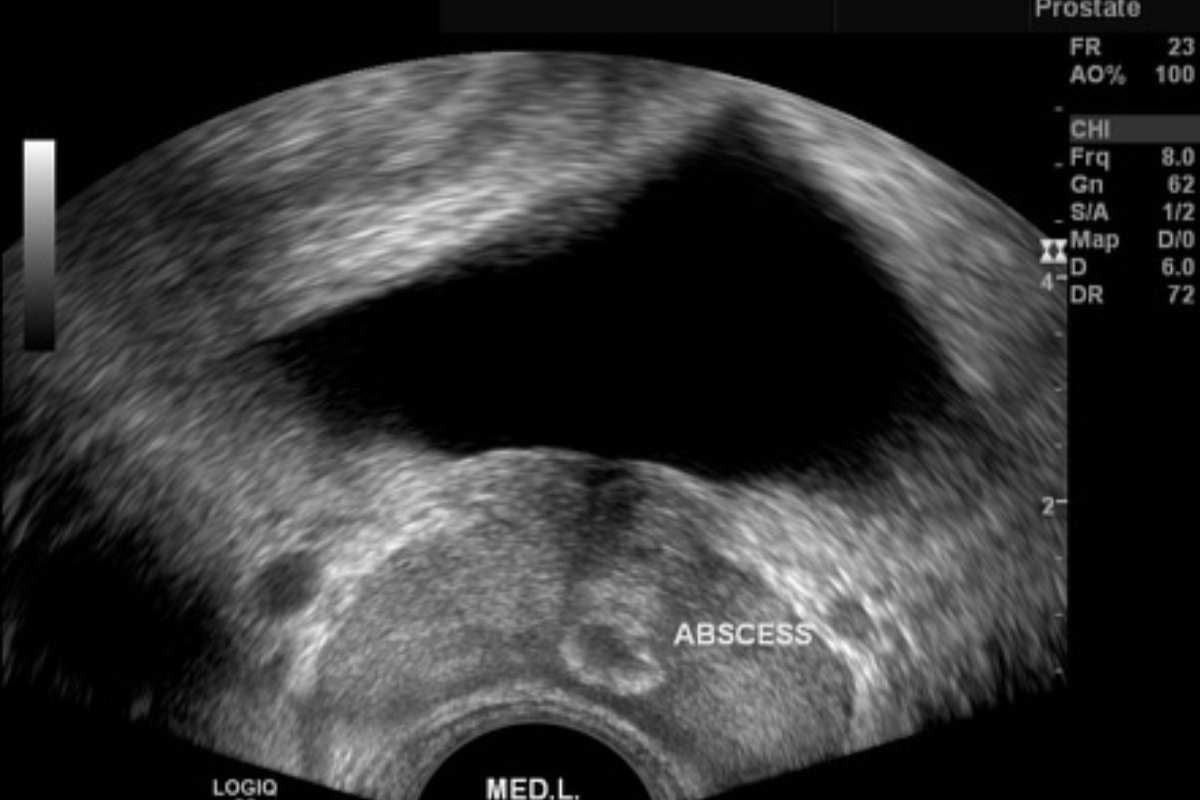
TRUS (Transrectal Ultrasound) is a procedure in which a small ultrasound probe is gently inserted into the rectum to create clear images of the prostate and nearby tissues. It is commonly used to diagnose prostate problems, guide prostate biopsies, and assess abnormalities. The test is quick, safe, and usually causes only mild discomfort.
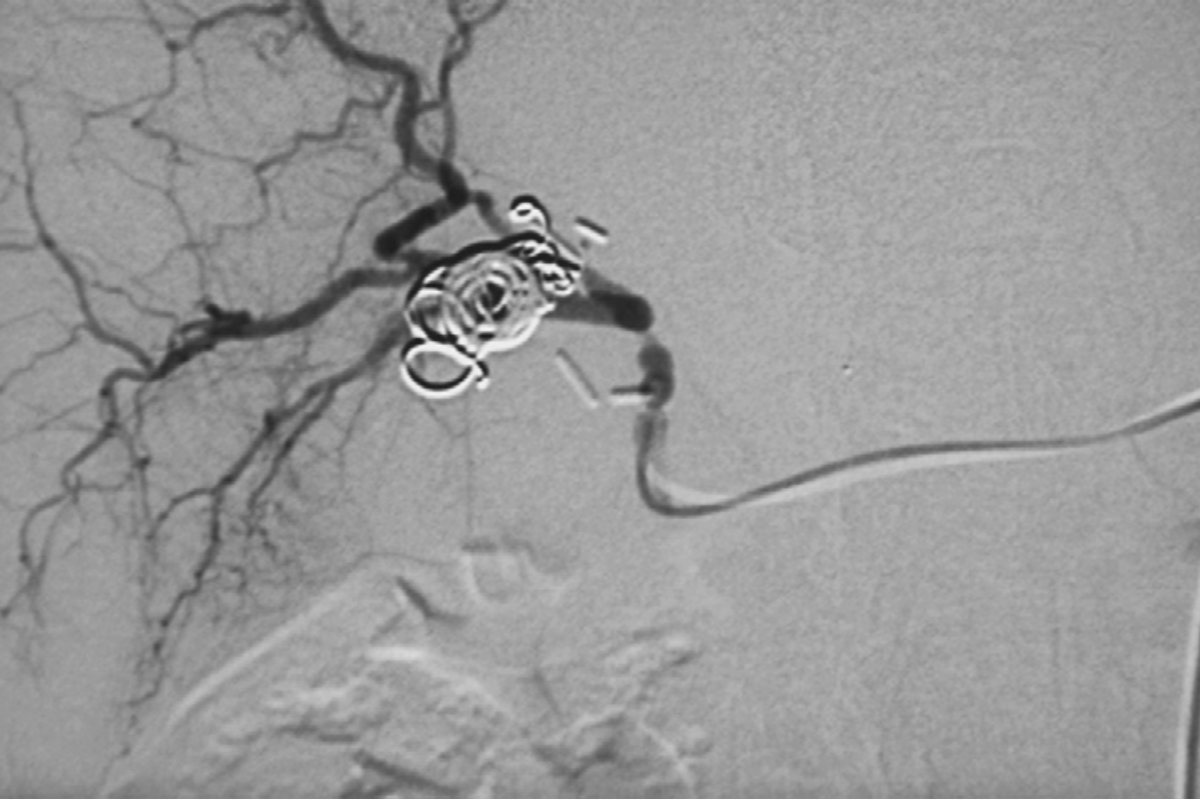
Coil embolisation is a minimally invasive treatment in which a doctor inserts a thin catheter into a blood vessel and places tiny metal coils at the bleeding site. These coils block the blood flow and help stop the GI bleeding quickly and safely. It is often used when endoscopy cannot control the bleeding.
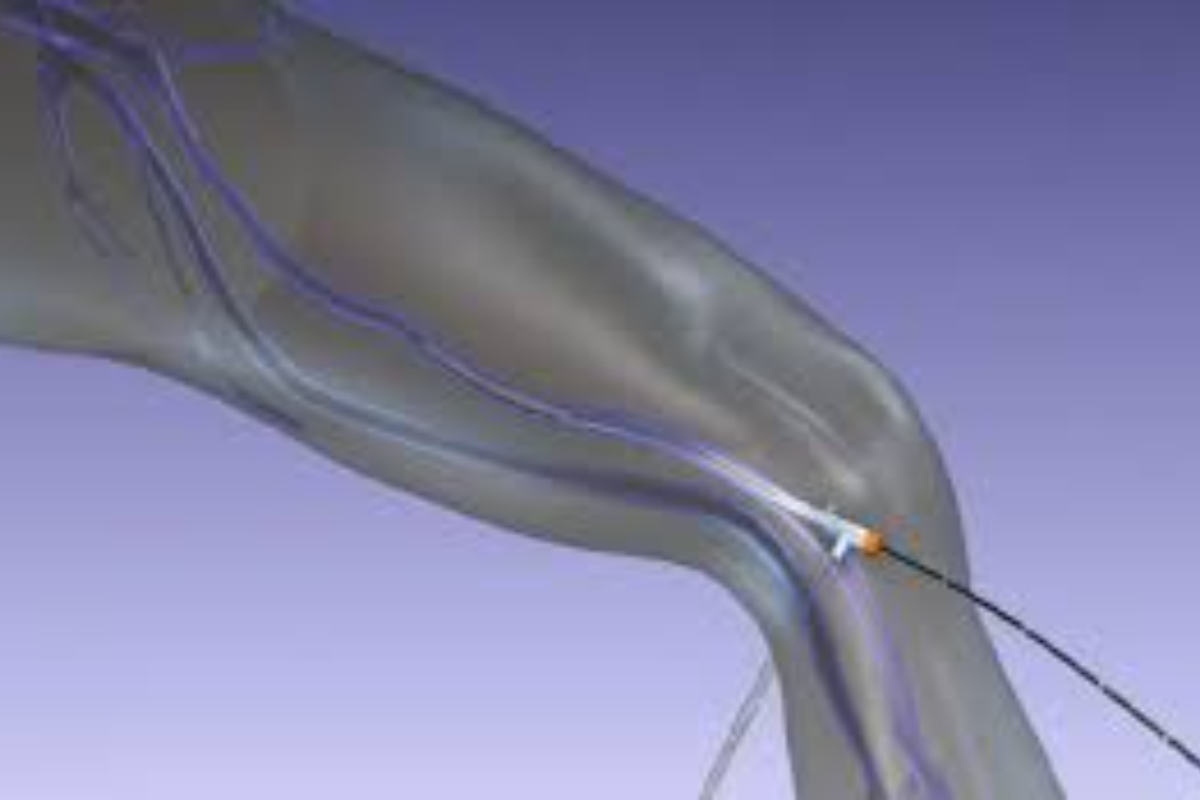
These advanced minimally invasive methods close abnormal veins to improve blood flow and reduce symptoms. They provide quick recovery, less pain, and better cosmetic results compared to conventional surgery.
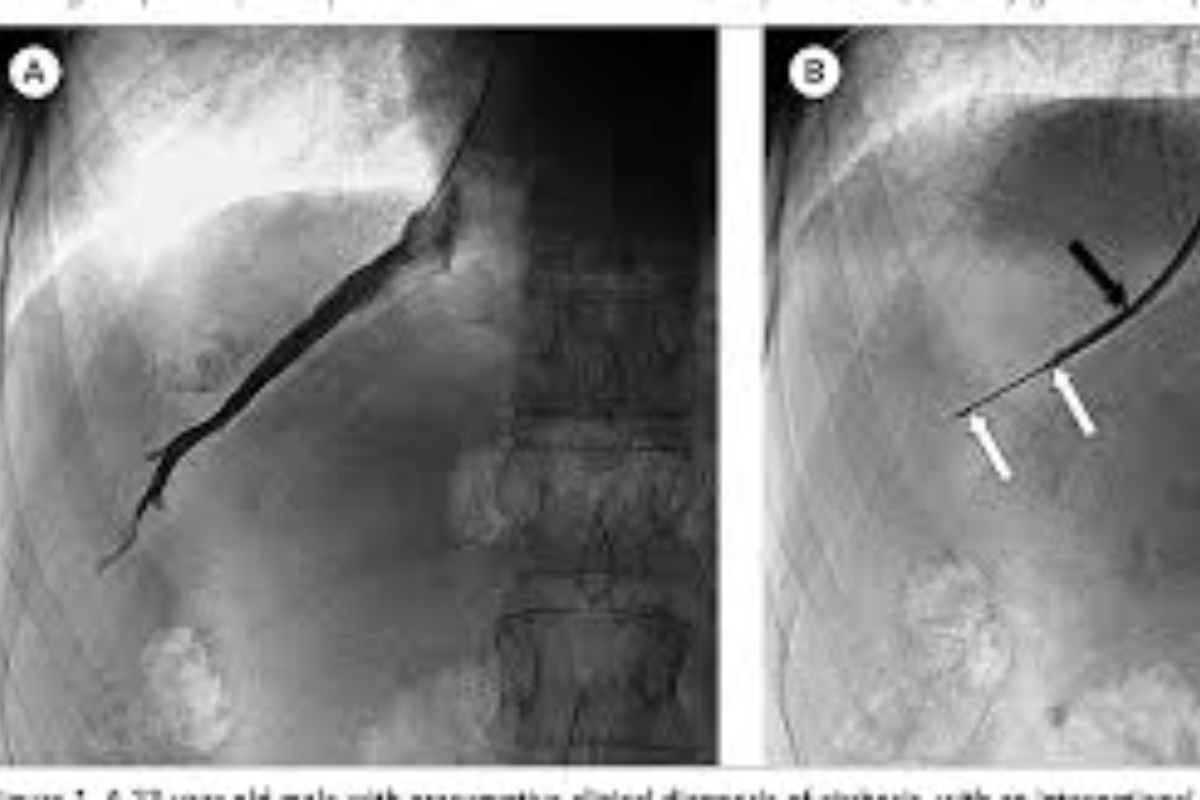
Transjugular Liver Biopsy is a procedure where a liver tissue sample is taken through a vein in the neck using a thin catheter. It is mainly done for patients who have bleeding risks or abdominal fluid, offering a safer alternative to traditional liver biopsy.
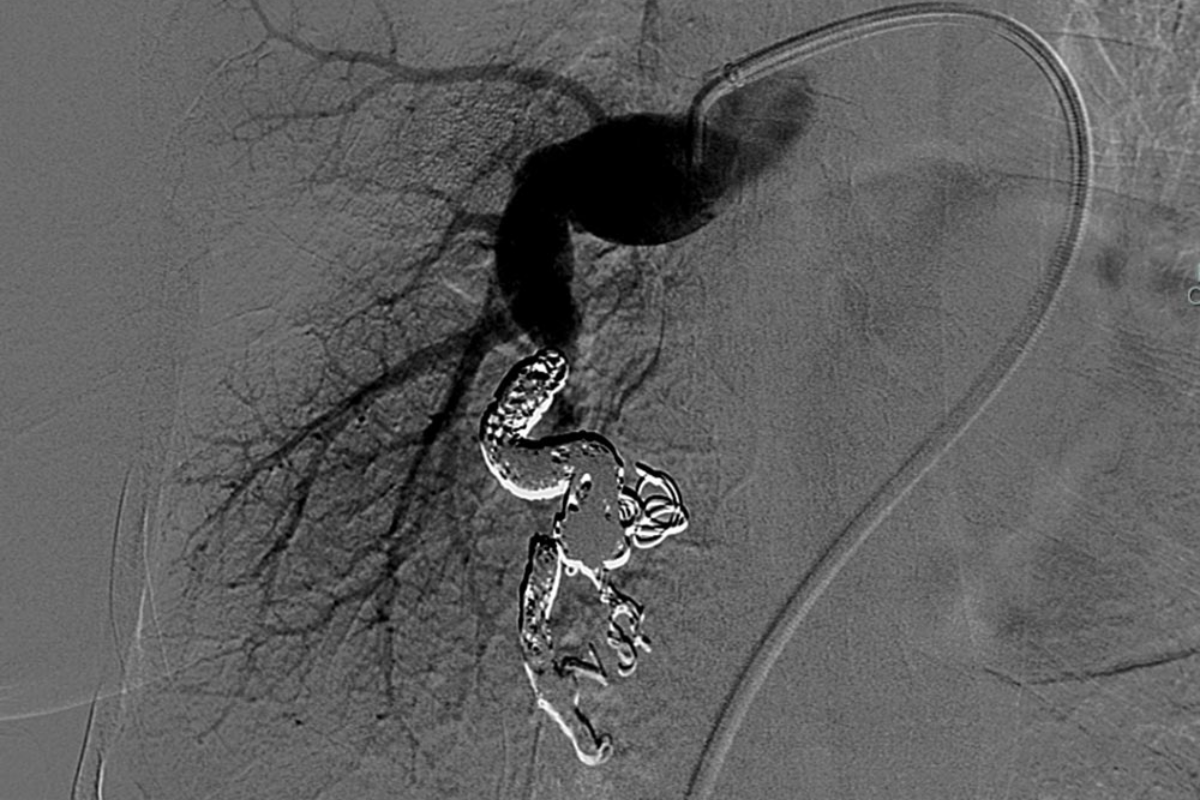
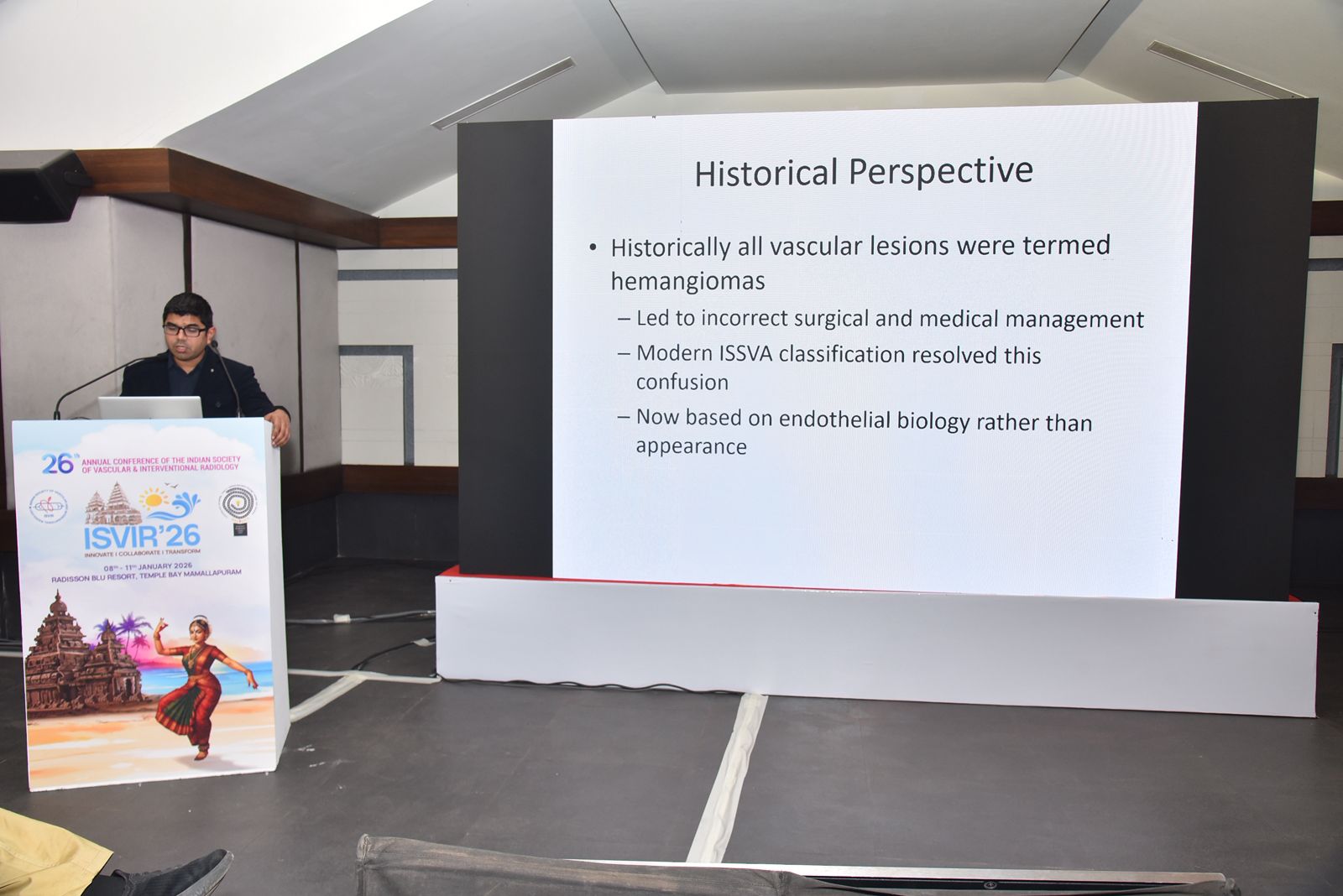
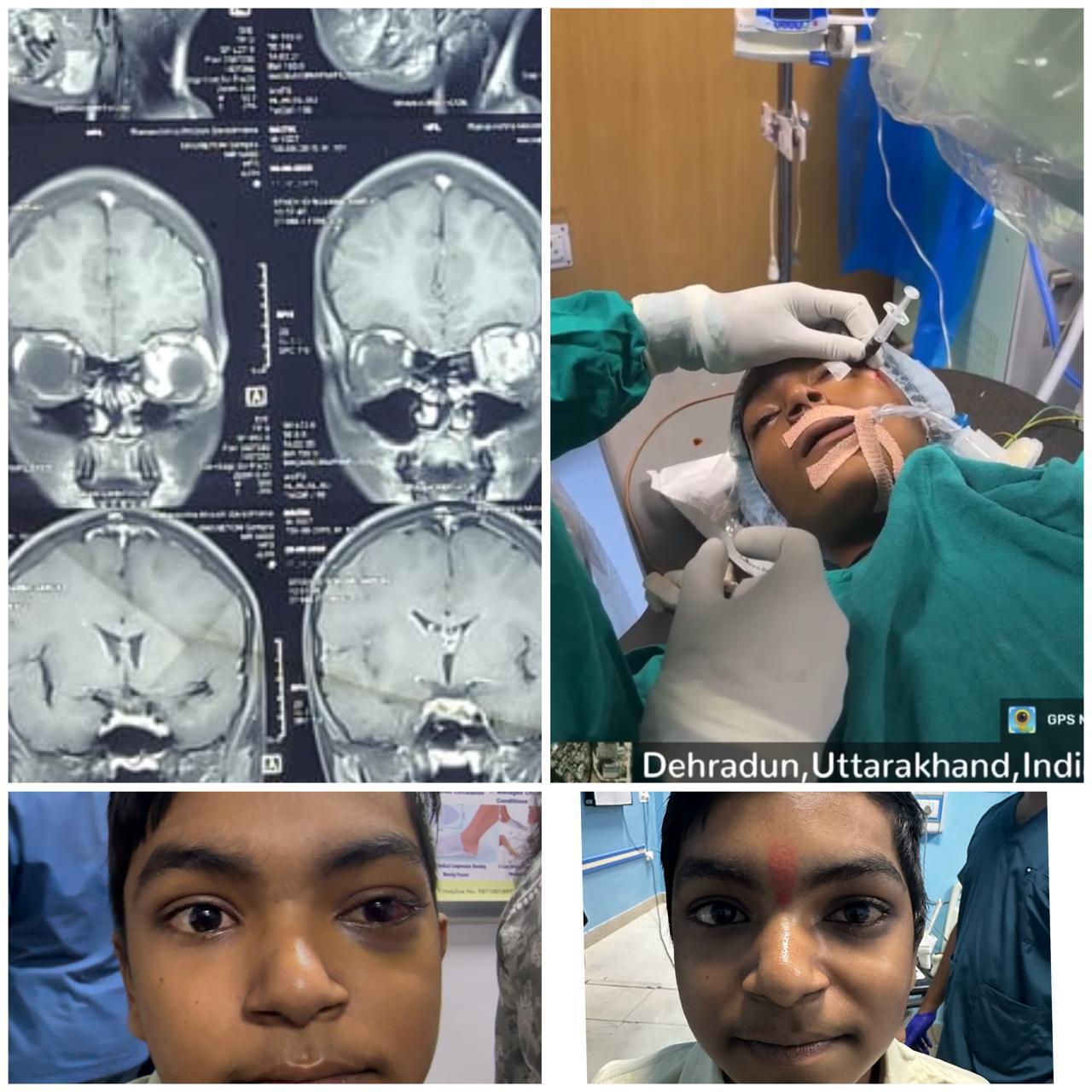
Vascular Malformation Treatment refers to medical procedures used to treat abnormal clusters of blood vessels. These treatments may include embolisation (blocking abnormal vessels), laser therapy, injections, or surgery—depending on the type and location of the malformation. The goal is to reduce symptoms, prevent bleeding, and improve appearance or function.
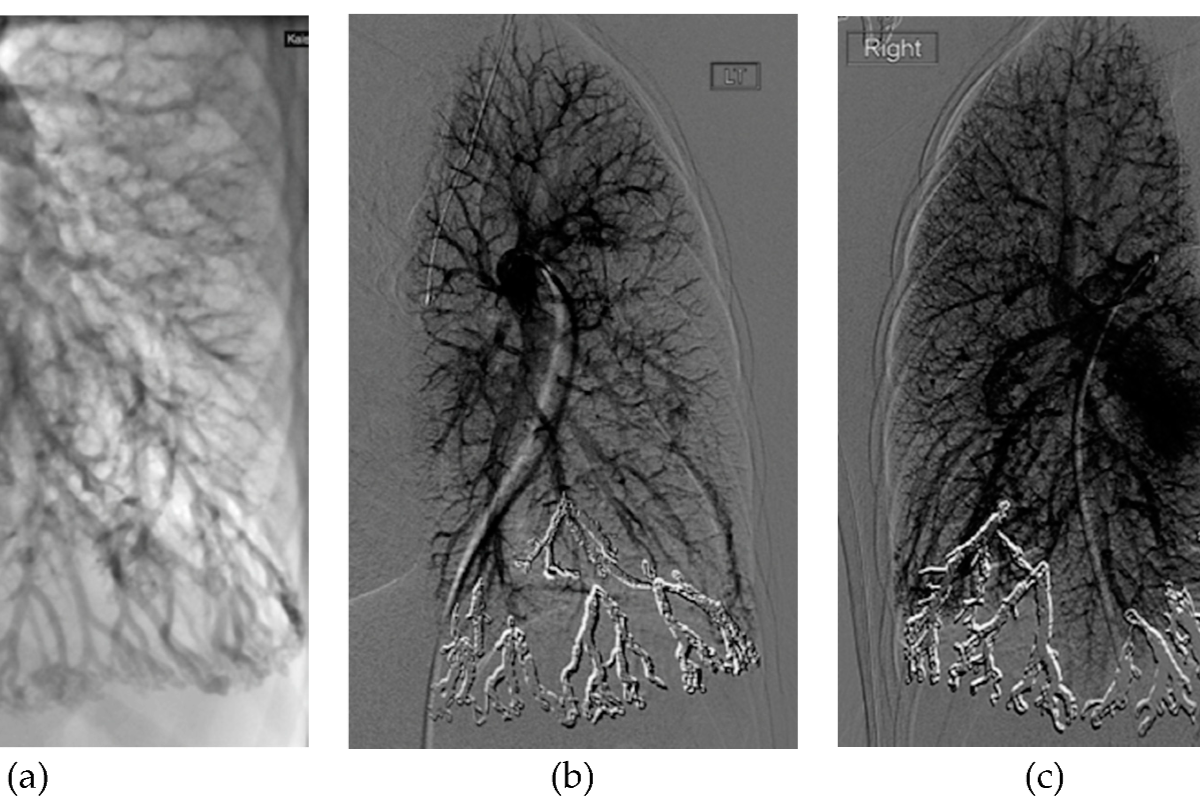
Pulmonary AVF Treatment involves closing an abnormal connection between a lung artery and vein (pulmonary arteriovenous fistula). Doctors usually treat it with embolisation, where a catheter is used to place coils or plugs to block the abnormal vessel. This improves oxygen levels, prevents complications, and is a minimally invasive, safe procedure.
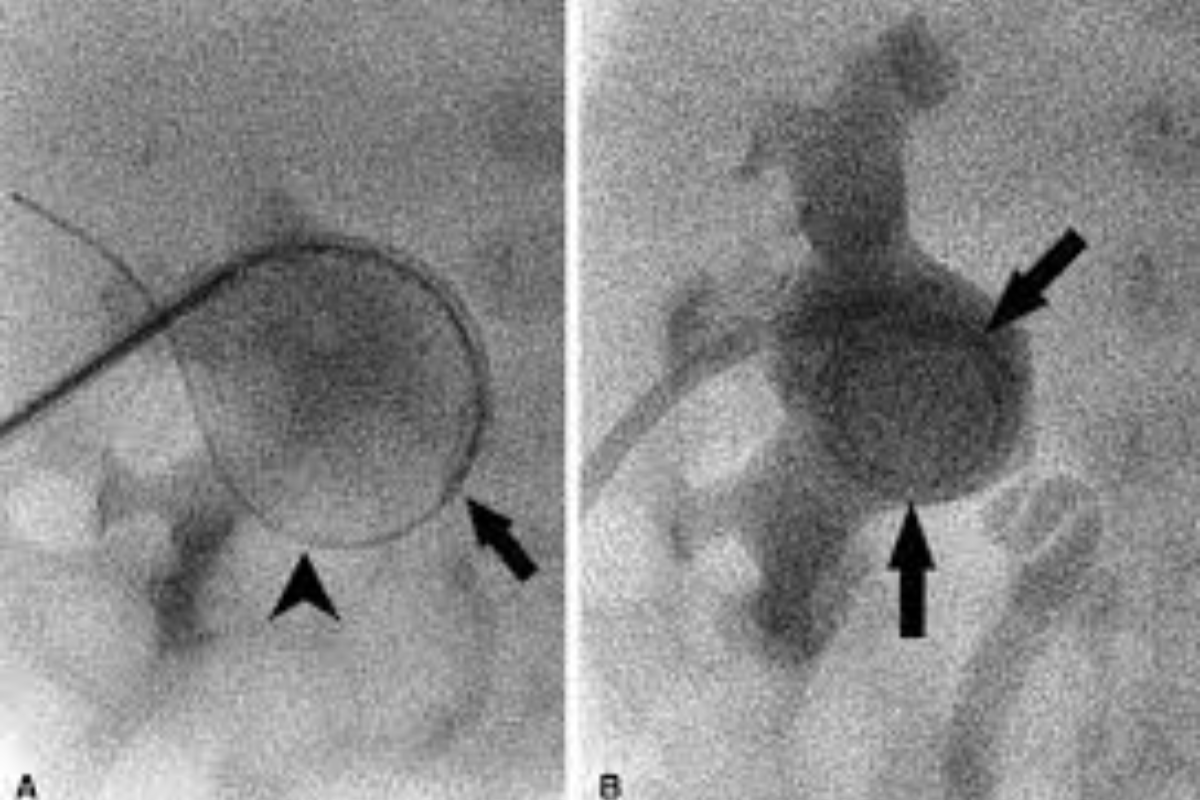
Percutaneous Nephrostomy is a procedure where a thin tube is inserted through the skin into the kidney to drain urine. It is done when the normal urinary pathway is blocked due to stones, tumors, or infection. This helps relieve pain, prevent kidney damage, and allow proper urine flow.